
Environmental literacy
Help students and communities understand why resource use, waste, biodiversity and climate choices matter.
Environmental responsibility is part of the same long-term question as education: what kind of future are we preparing people to inherit, participate in and protect?
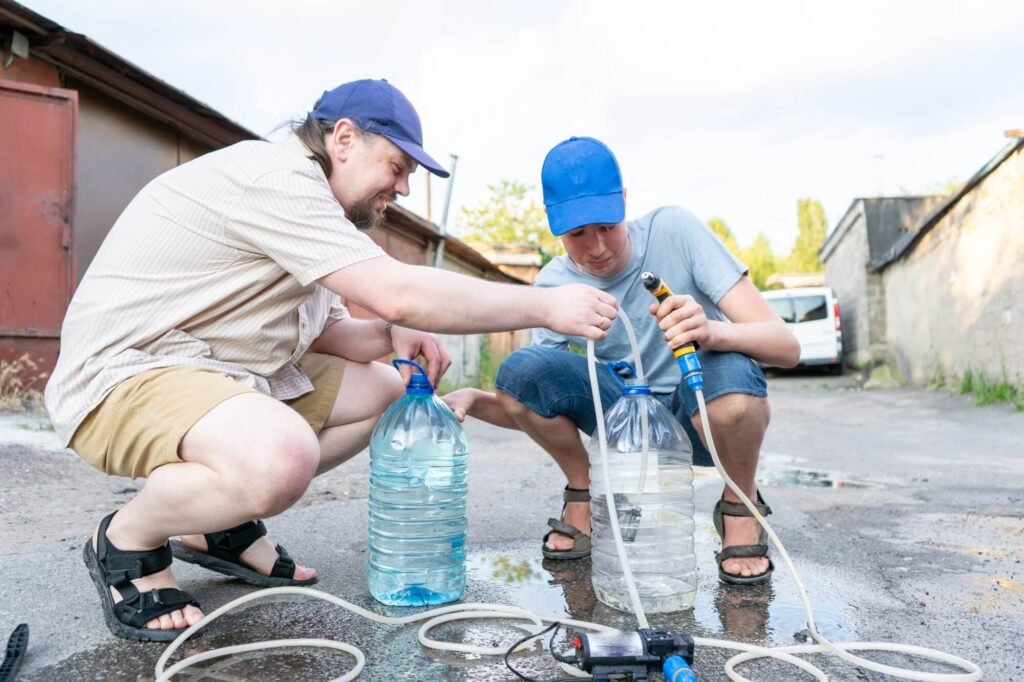
Sustainability becomes meaningful when people can connect it to ordinary choices, institutions, communities and the environments in which they live.
Elite E² uses education, participation and practical campaigns to make environmental responsibility easier to understand and act on. Earlier public initiatives also explored tree planting, green education and alternatives to single-use plastics.
Our environmental direction prioritises action that people can see, understand and repeat—whether through community events, student engagement, green education or responsible product awareness.
We focus on participation, education and repeatable behaviours rather than abstract sustainability language.
Help students and communities understand why resource use, waste, biodiversity and climate choices matter.
Design visible activities that convert awareness into participation and community memory.
Connect sustainability with education so environmental thinking becomes part of how young people understand progress.
Promote awareness of reduced single-use consumption and more responsible material choices.
Create ways for institutions, students, companies and volunteers to contribute together.
Document participation and outcomes so initiatives can improve instead of repeating without learning.
Frame a local environmental issue in a way that is relevant to the people expected to act on it.
Bring together students, institutions, volunteers, communities and partners around a clear activity.
Turn the idea into a visible intervention rather than stopping at awareness.
Capture participation, outcomes, lessons and responsible evidence from the activity.
Use what was learned to make the next action easier, stronger and more useful.
Schools, colleges, CSR teams, resident communities, NGOs and volunteers can propose a location, issue or participation idea.