Education access
Scholarship-oriented support, practical learning, mentorship, exposure and opportunity-focused programs.
Elite E² approaches community and CSR collaboration as a design problem: understand the people, define a useful outcome, build the right intervention and document what actually happened.
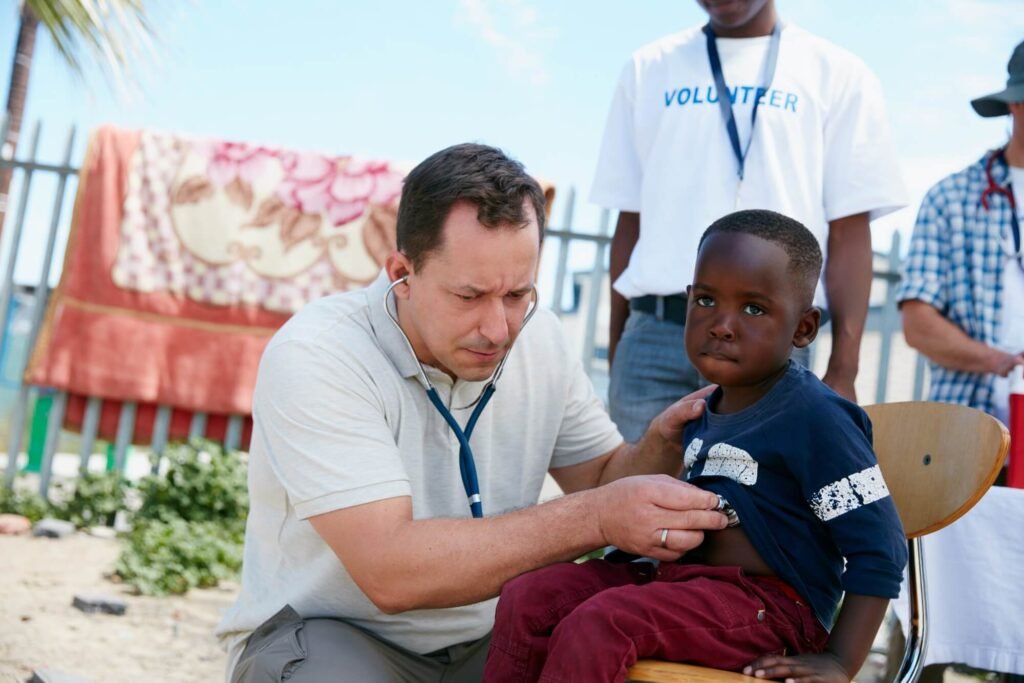
Corporate social responsibility can create stronger outcomes when the activity is specific to a community, connected to a real need and designed with a plan for participation and evidence.
Our focus areas include education access, student readiness, environmental action, community welfare and rural livelihoods. Partnerships can be designed with companies, institutions, NGOs and local stakeholders depending on the initiative.
We begin with the outcome a partner wants to create and the community context around it. That makes it easier to avoid generic one-day activities that look active but leave little value behind.
Programs should be scoped only after goals, geography, target groups and evidence requirements are clear.
Scholarship-oriented support, practical learning, mentorship, exposure and opportunity-focused programs.
Workshops, mentor engagement, industry exposure and future-readiness initiatives.
Community or institution-led campaigns around awareness, participation and sustainable choices.
Support designed around dignity, care, participation and credible local needs.
Visibility, market access, farmer or maker-oriented initiatives and livelihood-linked collaboration.
Structured volunteering where company teams can contribute time, expertise or mentorship meaningfully.
Clarify the target group, geography, intended outcome, timeline and evidence needed.
Build an intervention appropriate to the community and realistic within available resources.
Coordinate stakeholders, participants, volunteers, institutions and field requirements.
Execute with clear responsibilities, participant experience and documentation.
Share what happened, what changed, what was learned and what a sensible next step could be.
A practical learning initiative designed to help students develop real-world skills, explore their potential and prepare for opportunities beyond the classroom.
An action-led initiative focused on environmental awareness, responsible choices and community participation around sustainability.
A student pathway that combines meaningful part-time opportunity with practical experience, skill development and sustainable earning capacity.
Share your geography, focus area, target group, budget range and desired outcome. We can begin from there.